
Share This Story, Choose Your Platform!
For commercial property owners and managers in Southern California, now is the time to prepare for El Niño and not wait for the first major storm.
NOAA’s September 2026 outlook reports that El Niño is strengthening, with a greater than 90% chance of a very strong event during fall and winter 2026–27. NOAA’s seasonal outlook also shows increasing probabilities of wetter-than-normal conditions across California.
While El Niño does not mean every property will experience flooding or significant storm damage, increased rainfall can put additional pressure on drainage systems, rooftops, landscapes, irrigation systems and other areas of a commercial property.
For property managers, the question isn’t simply “How much rain are we going to get?”
It’s: “Is my property ready if we get more rain than usual?”
What Could El Niño Mean for Your Commercial Property?
Southern California properties are accustomed to long periods of dry weather, which can make it easy to overlook storm-readiness during the drier months.
When significant rainfall does arrive, however, small maintenance issues can quickly become bigger problems.
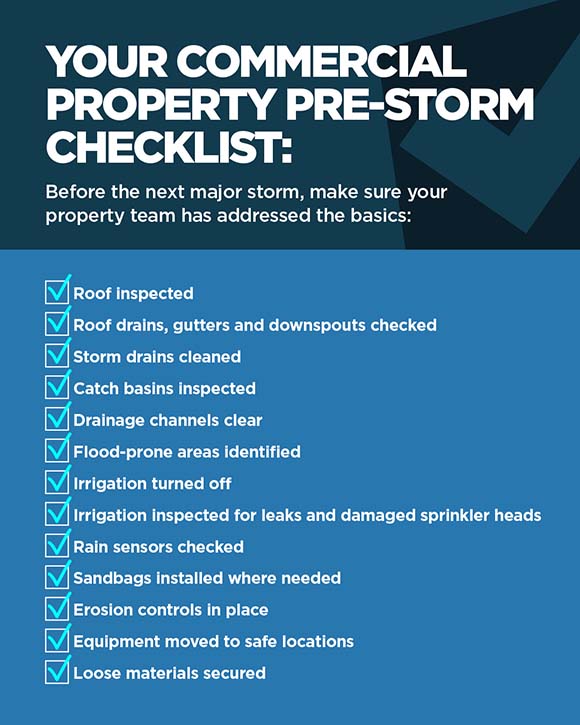
Blocked storm drains, gutters and downspouts can contribute to standing water. Poor drainage can lead to erosion and soil can wash away. Water can pool on rooftops due to poor drainage and leak into tenant spaces. Low-lying areas can collect water. Irrigation systems may need to be adjusted or repaired.
For commercial property owners and managers, addressing these potential trouble spots before a storm can help reduce the risk of property damage and costly emergency maintenance.
Five Areas to Check Before the Next Major Storm
1. Drainage Systems
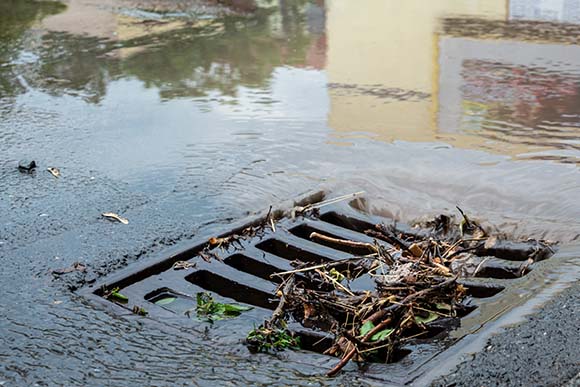
Your property’s drainage system is one of the first places to start.
Storm drains, catch basins, swales and culverts should be inspected and cleared of leaves, trash and other debris. Drainage channels should also be checked to make sure water can flow freely.
CAM Property Services’ storm flood prevention plan recommends inspecting these areas before a possible flooding event specifically to help minimize flooding, erosion and property damage.
Ask yourself: If several inches of rain fell in a short period of time, where would the water go?
If you’re not sure, it may be time for a property inspection.
2. Rooftops and Building Drainage
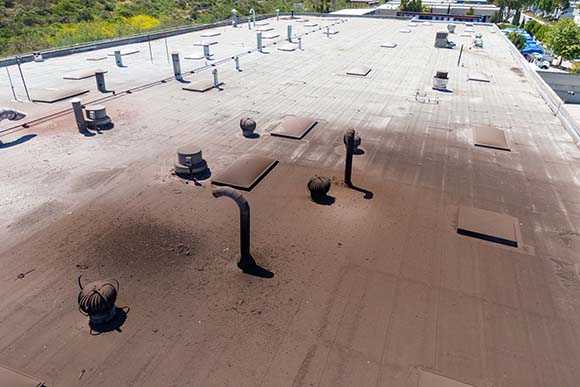
When preparing a commercial property for significant rainfall, don’t forget to look up.
Rooftops can be particularly vulnerable during significant storms. Water that pools on a roof because of blocked or inadequate drainage can potentially find its way into the building and tenant spaces.
Water intrusion can result in damage to:
- Ceiling tiles
- Tenant merchandise and inventory
- Retail sales areas
- Office floors
- Carpet and other flooring
- Interior finishes and furnishings
For retail properties, water intrusion can potentially affect merchandise and sales areas. In office environments, leaks can disrupt workspaces and damage flooring, furniture and other property.
Before a major storm, property managers should make sure rooftops, roof drains, gutters and downspouts are inspected and that potential drainage or maintenance issues are addressed.
Don’t wait for a leak to reveal a problem that could have been identified before the storm.
3. Low-Lying and Flood-Prone Areas
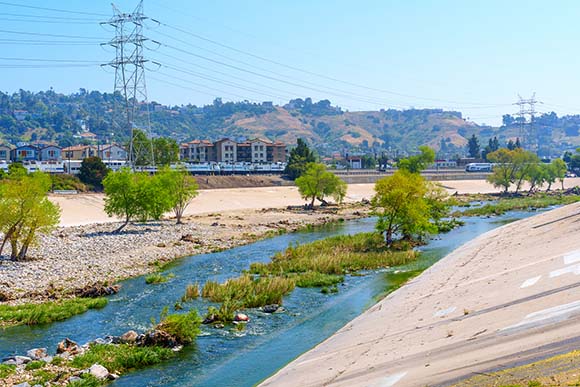
Walk your property with a critical eye.
Are there areas where water typically collects? Are there slopes that could erode? Are retaining walls, buildings or parking areas located near areas where water could accumulate?
These are the areas that deserve attention before the next major storm.
CAM recommends identifying low-lying areas, slopes and erosion-prone locations, as well as areas near buildings, retaining walls and parking lots.
4. Landscape and Erosion Protection

Heavy rainfall can quickly expose vulnerabilities in landscaped areas.
Depending on site conditions, preventative measures may include sandbags, straw wattles, mulch and other erosion-control materials.
These measures can help protect vulnerable areas and manage water movement during a storm.
5. Irrigation
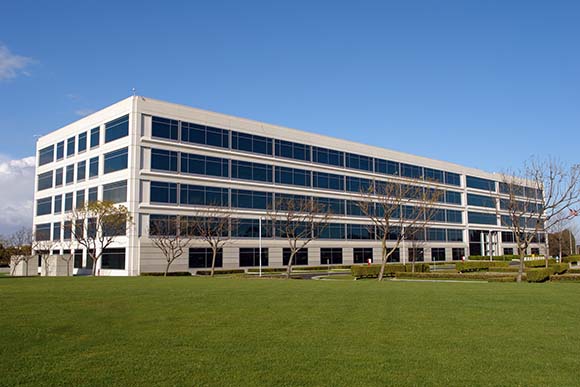
Your irrigation system should also be part of your pre-storm checklist.
Before a significant storm, irrigation systems should be turned off and inspected for leaks or broken sprinkler heads. Rain sensors should also be checked to ensure they are functioning properly.
Once the storm passes, the system should be inspected again before returning to its regular watering schedule.
Don’t Forget Equipment and Loose Materials
Equipment, tools, and other loose materials should be secured or moved to protected areas before significant weather arrives.
CAM’s pre-storm plan recommends moving equipment to higher ground and securing loose materials and supplies.
Taking these steps in advance can help prevent materials and equipment from becoming damaged or creating additional cleanup needs after a storm.
Don’t Wait for the First Storm to Find Your Property’s Weak Spots
Storm preparation is much easier when you’re doing it proactively. A clogged drain is easier to address before the rain. An erosion-prone slope is easier to protect before water starts moving through it. An irrigation issue is easier to repair before it becomes part of a larger problem.
That’s where CAM Property Services can help.
CAM works with commercial property owners and managers throughout Southern California to help maintain the landscapes and property conditions that keep commercial sites operating at their best.
From landscape maintenance and irrigation to drainage preparation, erosion control, and storm-readiness, CAM can help your team identify potential concerns and prepare before severe weather arrives.
Prepare Your Property Before the Rain
You can’t control how much rain El Niño brings to Southern California.
You can control how prepared your property is.
Contact CAM Property Services to discuss storm preparation and maintenance needs for your commercial property.


